
Night Shift Snacks: What to Eat Overnight, and When
STAT Bar TeamLast reviewed by Mikael Petrosyan, MD, founder
Good night shift snacks are packed before the shift, need no fridge or travel with two ice packs, and print their numbers. Eat a real meal before you clock in, keep food between midnight and 6 a.m. small, and choose low-glycemic snacks over sugary ones. Put most of your caffeine in the first half of the shift so it does not collide with daytime sleep.
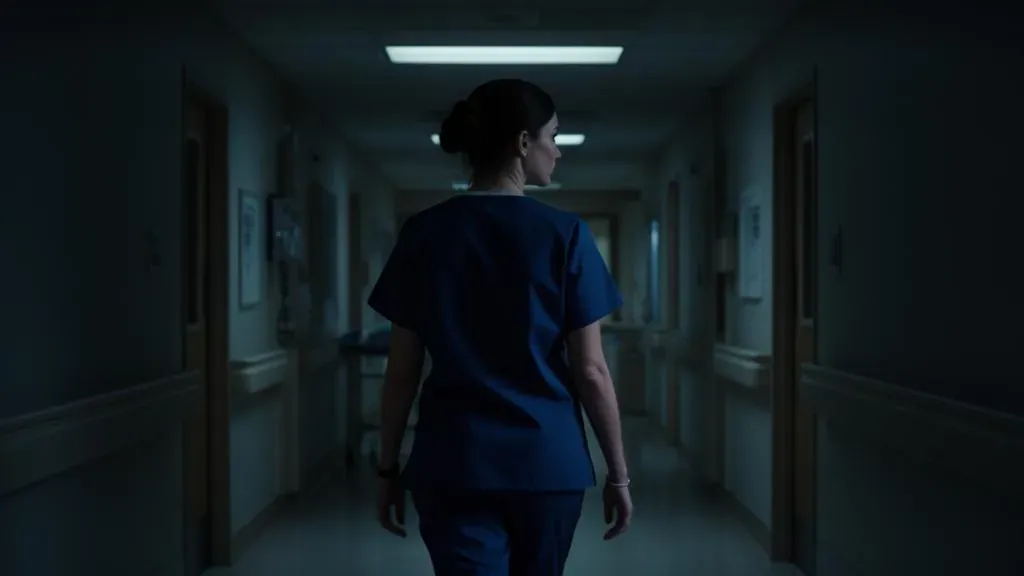
Finding good snacks on a night shift comes down to one problem: access. The cafeteria closes, the good options disappear, and by 3 a.m. the choice is a vending machine or nothing. The fix is packing before the shift starts, and timing what you eat across the night. This guide is for anyone on a long overnight: nurses, residents, medics, dispatchers, drivers, warehouse and plant crews.
Working a day shift at a desk or in an office instead? See healthy snacks for work.
What to eat on night shift
NIOSH's diet guidance for night-shift nurses, based on Lowden and colleagues, comes down to three rules (NIOSH):
- "Avoid eating or reduce food intake between midnight and 6 a.m." and "divide eating into three meals per 24-hour period."
- During the shift, eat foods such as vegetables, salads, vegetable soups, fruits, wholegrain sandwiches, yogurt, cheese, eggs and nuts.
- "Avoid sugar-rich products and low-fiber carbohydrate foods," which NIOSH says can increase sleepiness.
Trials in night workers point the same way. In a 2024 randomized crossover trial in 51 female health care workers, three small low-glycemic meals during the night shift led to fewer attention lapses than three small high-glycemic meals, and every meal condition reduced hunger compared with eating nothing (de Rijk and colleagues, J Nutr). In a 14-day laboratory study of simulated night work, eating at night impaired glucose tolerance, while restricting meals to the daytime prevented it (Chellappa and colleagues, Sci Adv).
In practice: eat your main meal before the shift, keep the overnight snacks small and low in sugar, and eat a light breakfast before you sleep. For the newest studies on meal timing, see our night shift eating schedule.
When to eat on a 12-hour night shift
Here is one way to lay that guidance across a 7 p.m. to 7 a.m. shift. Move the times to match your own start.
| Time | What to eat | Why |
|---|---|---|
| Before the shift (about 5 to 6 p.m.) | Your main meal | Puts the biggest meal of the day outside the midnight to 6 a.m. window NIOSH flags |
| Early shift (7 to 11 p.m.) | A planned snack, plus caffeine if you use it | Keeps caffeine in the first half of the night |
| Midnight to 6 a.m. | Something small and low in sugar, if you need it | NIOSH: avoid or reduce food in this window; small low-glycemic meals led to fewer lapses in the 2024 trial |
| End of shift (6 to 7 a.m.) | Water | Keeps the last hour light before the drive home |
| After the shift | A light breakfast, then sleep | Keeps a three-meal pattern across 24 hours |
On an 8-hour overnight (11 p.m. to 7 a.m.), the shape is the same with a shorter middle. Not sure which overnight block you are on? See what time a NOC shift starts and second shift vs. third shift.
Night shift snacks that need no fridge
USDA says perishable food should not sit at room temperature more than 2 hours, or 1 hour above 90 F, and that a lunch bag with perishable food needs at least two cold sources, such as two frozen gel packs (USDA FSIS). If you have no fridge on the unit, build the kit from foods USDA lists as safe without a cold source:
- Whole fruits and vegetables
- Hard cheese
- Canned meat and fish (tuna or chicken pouches)
- Crackers and bread
- Peanut butter
- Nuts, and a sealed, labeled bar
Anything perishable (yogurt, cut fruit, leftovers, deli meat) goes in an insulated bag with two ice packs, or in the unit fridge if there is one. For a per-serving look at which shelf-stable snacks carry the most protein and fiber, see snacks with real staying power for 12-hour days.
Plan your caffeine like a schedule, not a reflex
Night shift caffeine works better as a plan: a known dose at known times, tapering before your shift ends so it does not collide with your morning sleep. In a 2013 study, caffeine taken even six hours before bed measurably disrupted sleep (Drake and colleagues, J Clin Sleep Med). On a 7 p.m. to 7 a.m. shift with sleep planned for the morning, that puts most of your caffeine in the early part of the shift. Pick drinks and snacks that print their milligrams so you can count your total. The full protocol (naps, light and caffeine timing) is in How to Stay Awake on Night Shift.
A simple night-shift kit
- A real meal eaten before you leave home
- One planned snack for the early shift
- One small, low-sugar snack for after midnight, if you need it
- A sealed, labeled bar for the break that never comes
- A large water bottle
- Something light for the drive home that is not caffeinated
Working a run of nights or a double? Our 16-hour shift guide covers the longer stretch, and the shift survival kit has a ready-made box.
Post-shift, when cooking is off the table: grab options after nights.
Night shift snacks by job
Same rules, different constraints. Pick your guide:
- Nurses on 12-hour nights: Healthy Snacks for Nurses: What to Eat on a 12-Hour Shift and the night shift nurse essentials checklist.
- Residents and doctors on overnight call: snacks for doctors, overnight call.
- EMS, fire, police and dispatch: snacks for first responders.
- Drivers and trades on overnight runs: snacks for drivers and trades.
- Choosing a bar for the kit: protein bars for night shift and energy bars for long shifts.
Our recommendation: STAT Energy Bar
STAT Energy Bar: 100 mg caffeine, 16-19 g protein, 0 g added sugar.
For the sealed bar in that kit, our recommendation is STAT Energy Bar. Each bar is individually wrapped and shelf-stable, with no refrigeration needed, so it can wait in a locker, bag or glovebox until the break you planned disappears.
It's 3 a.m., there are four hours left on your shift, and the next call could come any second. Nurse, resident, medic, dispatcher, driver, anyone on a long shift, day or night: that's the moment STAT Energy Bar was made for, when seconds count. Each bar has 100mg of caffeine for energy and alertness, about a strong cup of coffee, plus 16 to 19g of protein and 0g added sugar, and you can eat it in two minutes and get right back to work. If you like chocolate, the Chocolate bar (16g protein) gets its caffeine from coffee fruit extract. If you're a coffee person, Peanut Butter Espresso (17g) and Salted Caramel Coffee (19g) use real coffee plus coffee fruit extract. All three contain milk and soy; Chocolate and Salted Caramel Coffee contain almonds, and Peanut Butter Espresso contains peanuts. See what's inside every STAT bar or how a caffeinated protein bar is built.
Not sure which flavor fits your nights? Variety, 3 Boxes has one 12-count box of each, or you can shop all three flavors. Subscribe and save 10%, and orders over $50 ship free.
Night shift snacks FAQ
What are good snacks for night shift?
Good night shift snacks are packed before the shift, need no fridge or travel with two ice packs, and are low in sugar. NIOSH lists foods such as fruits, vegetables, wholegrain sandwiches, yogurt, cheese, eggs and nuts, and advises avoiding sugar-rich and low-fiber carbohydrate foods.
What should I eat on a 12-hour night shift?
Eat your main meal before the shift, a planned snack early in the night, and something small and low in sugar after midnight if you need it. Finish with a light breakfast before daytime sleep, so you keep about three meals across 24 hours.
Should you eat at 3 a.m. on night shift?
NIOSH suggests avoiding or reducing food between midnight and 6 a.m. If you need something, keep it small and low-glycemic: in a 2024 trial in night-shift health care workers, small low-glycemic meals led to fewer attention lapses than high-glycemic ones.
What snacks don't need a fridge on night shift?
USDA lists whole fruits and vegetables, hard cheese, canned meat and fish, crackers, bread and peanut butter as safe without a cold source. Nuts and sealed, labeled bars also keep in a locker.
When should you have caffeine on a night shift?
Early. Keep most of your caffeine in the first half of the shift, and pick drinks and snacks that print their milligrams so you can count your total.
How do you keep packed food safe on a night shift?
USDA says perishable food should not sit out more than 2 hours, or 1 hour above 90 F. Pack perishables in an insulated bag with at least two cold sources, or use the unit fridge.
References
- NIOSH. Training for Nurses on Shift Work and Long Work Hours, Module 9: Diet Suggestions for Night-Shift Nurses. https://www.cdc.gov/niosh/work-hour-training-for-nurses/longhours/mod9/08.html
- de Rijk MG, Boesveldt S, Feskens EJ, de Vries JH. The effect of meal frequency and glycemic index during the night shift on alertness, hunger, and gastrointestinal complaints in female health care workers: a two-armed randomized crossover trial. The Journal of Nutrition, 2024. https://doi.org/10.1016/j.tjnut.2024.09.027
- Chellappa SL, Qian J, Vujovic N, et al. Daytime eating prevents internal circadian misalignment and glucose intolerance in night work. Science Advances, 2021;7(49):eabg9910. https://doi.org/10.1126/sciadv.abg9910
- USDA Food Safety and Inspection Service. Keeping "Bag" Lunches Safe. https://www.fsis.usda.gov/food-safety/safe-food-handling-and-preparation/food-safety-basics/keeping-bag-lunches-safe
- Drake C, Roehrs T, Shambroom J, Roth T. Caffeine effects on sleep taken 0, 3, or 6 hours before going to bed. Journal of Clinical Sleep Medicine, 2013;9(11):1195-1200. PMID 24235903. https://doi.org/10.5664/jcsm.3170
- STAT Nutrition Facts panels and ingredient lists. /stat-by-the-numbers
Related reading
- Shift Survival Kit Guide
Try all three STAT flavors in one 6-bar box, plus guides for eating and timing caffeine on shifts.
- Adaptogenic Protein Bar: What Maca, Ashwagandha, Cordyceps and Reishi Are on a Label
The phrase is a search, not a food category. Maca, ashwagandha, cordyceps, and reishi are adaptogens. Listing them is not a health claim, and it is not a milligram dose.
- Adaptogens in food: what the label means (and what it doesn’t)
"Adaptogens in food" is not an FDA food category. Here is the historical meaning of the term, how botanicals show up on packaged-food labels, and what a plant name does (and does not) claim.
Ready to Fuel Up?
Try STAT Bar: the energy bar built for those who can't afford to slow down.
Get shift snack tips in your inbox
Join the STAT Bar newsletter for new flavor drops, subscriber-only deals, and practical shift guides, plus $5 off your first box.
By signing up you agree to receive marketing emails from On Call Foods LLC. You can unsubscribe at any time. See our Privacy Policy and Terms.