
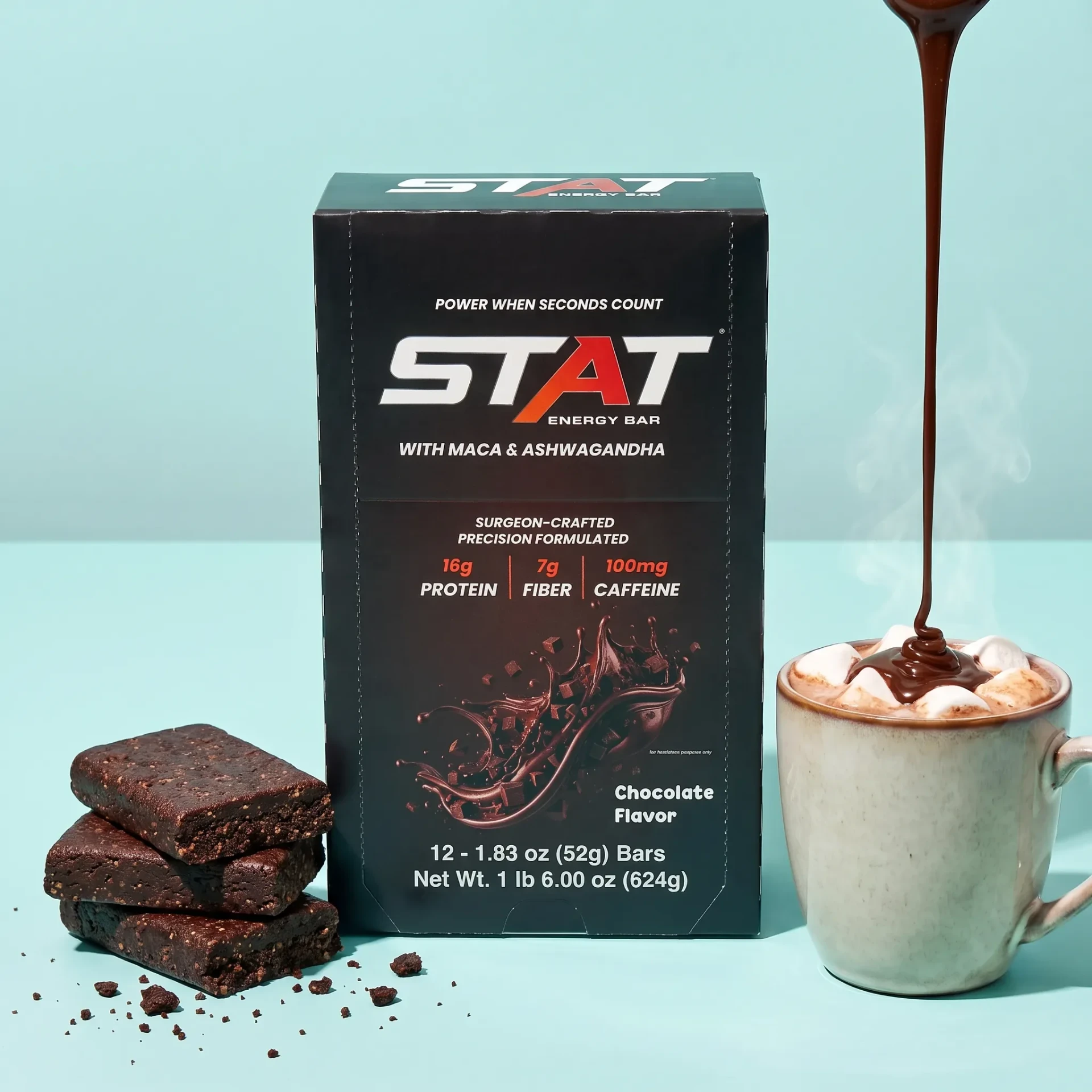
16g protein · 100mg caffeine per bar
Chocolate
$39.99 12 bars · $3.33 per bar
Details & subscription optionsPROTEIN + COFFEE. IN A BAR.
16–19g protein. 100mg caffeine from coffee. Pick your 12-count box, or try all three flavors.
OU Kosher certifiedGluten-free16g protein · 100mg caffeine per bar
$39.99 12 bars · $3.33 per bar
Details & subscription options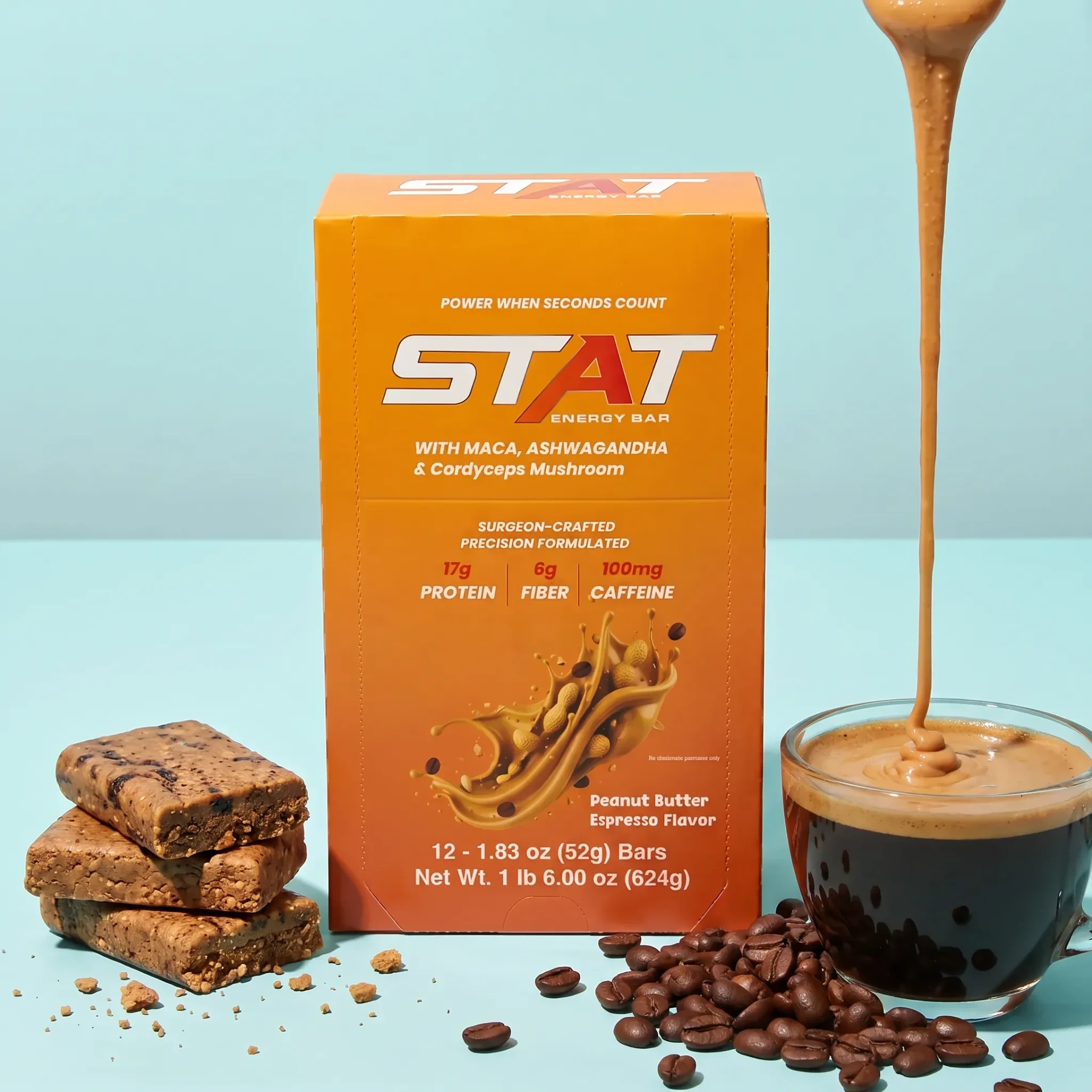
17g protein · 100mg caffeine per bar
$39.99 12 bars · $3.33 per bar
Details & subscription options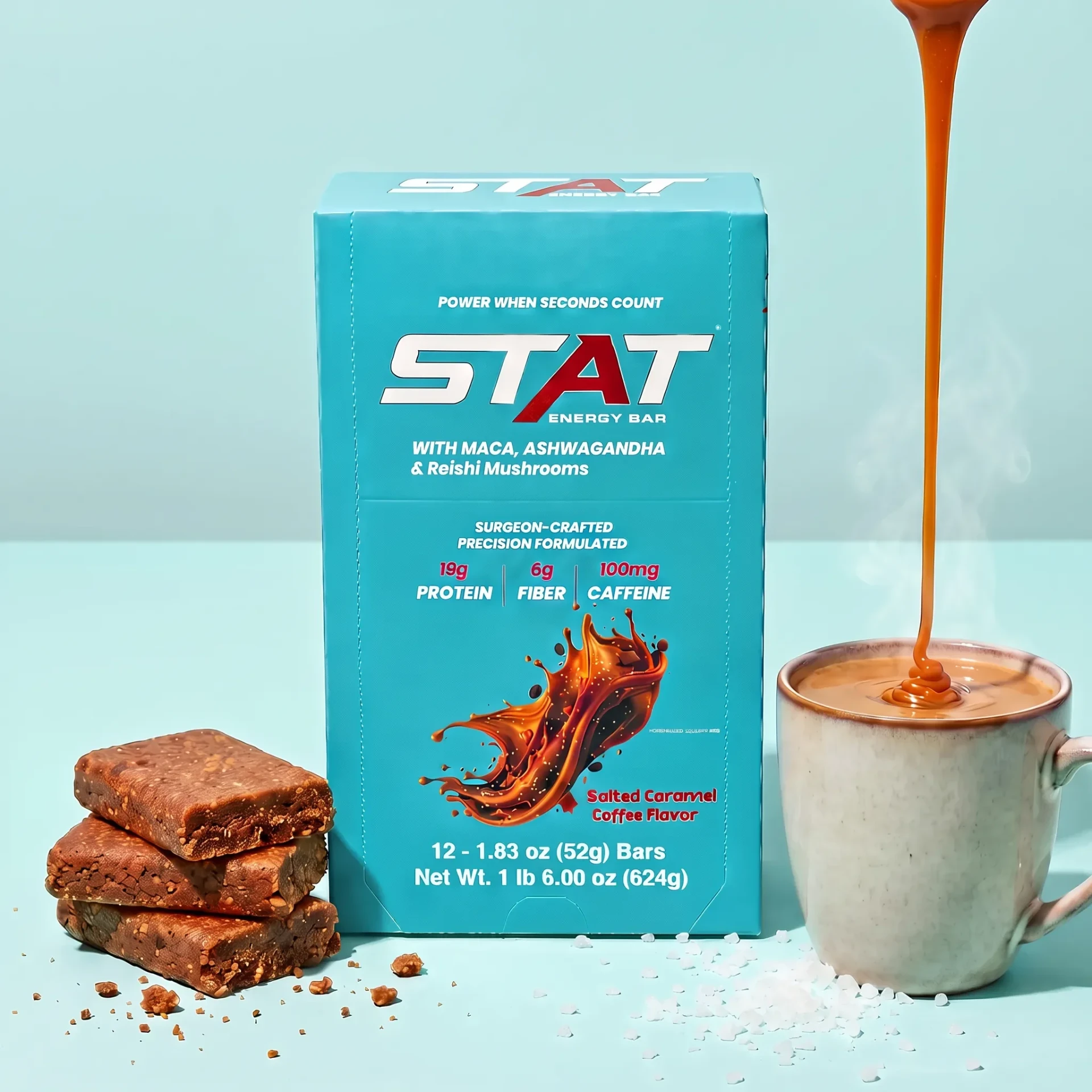
19g protein · 100mg caffeine per bar
$39.99 12 bars · $3.33 per bar
Details & subscription options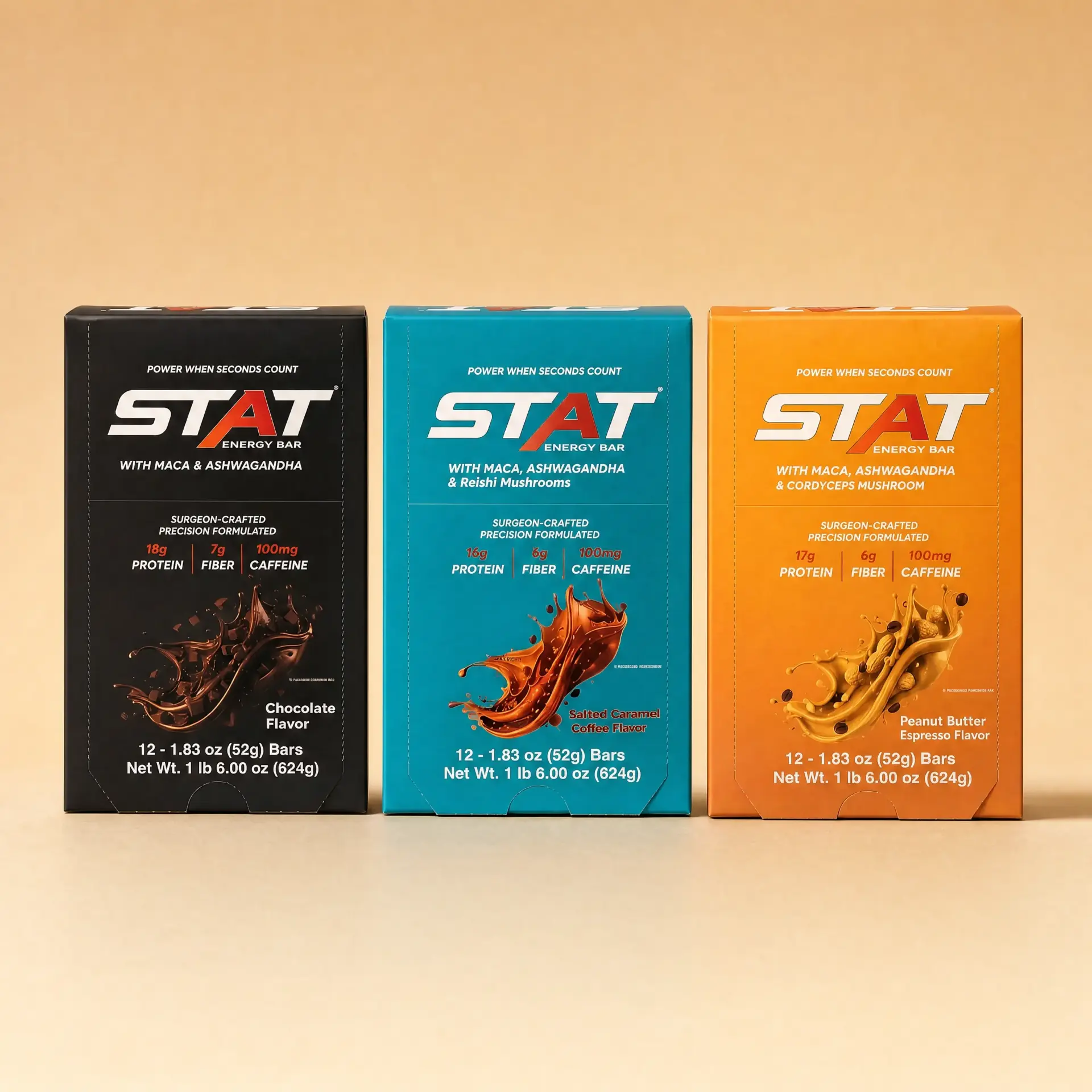
All three flavors · 100mg caffeine per bar
$104.99 36 bars · $2.92 per bar
See pack detailsOne-time purchase when you add here. Flat $4.90 shipping on U.S. orders under $50. Free standard shipping on orders $50+.
100mg caffeine per bar. Not recommended for under-18s or during pregnancy/nursing without medical advice. Caffeine-sensitive or managing a medical condition? Consult your healthcare provider. Full health guidance.
Contains milk and soy. Flavors contain peanuts or almonds; additional trace allergens vary. Read each product label before eating. Ingredients & allergens.
A caffeine protein bar is a snack that states both a caffeine dose in milligrams and a protein amount on the pack. The category is messy: some bars print the milligrams, some only say energizing, and coffee-flavored bars may have little caffeine at all. If you work a long shift, the useful test is simple. Can you add this bar to the coffee you already drank without guessing?
It depends on the bar, and you cannot know unless the milligrams are printed. Coffee-flavored protein bars are not the same thing as a caffeine protein bar. A printed dose lets you add the bar to coffee, tea, and energy drinks in the same daily total. If the pack only says energizing, treat the caffeine as unknown.
For reference, the caffeine in brewed coffee itself varies. An American Heart Association scientific statement (July 20, 2026) notes that a typical regular brewed, non-specialty caffeinated coffee runs about 9.4–20.6 mg per fluid ounce, so an 8-ounce cup lands roughly between 75 and 165 mg.
Source: American Heart Association, Coffee and heart health — https://newsroom.heart.org/news/coffee-and-heart-health-how-many-cups-of-caffeinated-coffee-are-safe-to-drink-each-day
A coffee protein bar is flavored with coffee. It may or may not contain a meaningful, labeled caffeine dose.
A caffeine protein bar is defined by a stated milligram amount. If you are stacking the bar with coffee on a shift, only the printed milligrams matter.
Caffeine can be added as caffeine anhydrous, or it can come from coffee, coffee fruit, cocoa, green tea, guarana, and similar sources.
For tracking a daily total, the source matters less than whether milligrams are on the label. Natural versus synthetic is a formula choice, not proof that a dose is safer.
If the bar is covering a missed meal gap, protein grams are the other number that matters. Read the grams per bar, not per 100g.
A bar with only a few grams of protein is closer to a flavored snack than a stand-in for food. There is no single best gram target — it depends on what the bar is standing in for.
The American Heart Association statement (July 20, 2026) says that for most adults, up to 400 mg of caffeine per day is generally considered safe, with wide individual variation. That is a ceiling, not a target. People who are pregnant, sensitive to caffeine, under 18, or managing a medical condition should talk to a clinician.
Caffeine can also disrupt sleep; the same statement lists sleep disruption among its short-term effects. The practical habit is to add every labeled source — coffee, tea, soda, energy drinks, bars — into one running total, and stop caffeine several hours before you intend to sleep.
This is general information, not medical advice. Source: https://newsroom.heart.org/news/coffee-and-heart-health-how-many-cups-of-caffeinated-coffee-are-safe-to-drink-each-day
Caffeine printed in milligrams, not implied by a botanical name.
Protein grams per bar.
Added sugars line, not only total sugars.
An ingredient list you can actually read.
A wrapper that survives a bag or locker.
Those label checks are the standard STAT Energy Bar was built against. Every wrapper prints the caffeine dose: 100mg per bar, from coffee fruit extract. Protein runs 16-19g depending on flavor, and added sugars are 0g across the line. It is one shelf-stable bar sized for a scrub pocket or locker, made for the part of a long shift when a real meal is not happening.
The botanicals in the recipe — maca, ashwagandha, and, depending on flavor, cordyceps or reishi — are there for flavor, and we make no functional claims about them.
One caution applies as it would to any caffeinated food: not for children under 18, not if you are pregnant or nursing without checking with a clinician, and check first if you are caffeine-sensitive or managing a medical condition. The full range is below.
STAT Energy Bars →People shopping for a caffeinated energy bar, an energy bar with caffeine, or a caffeine protein bar are usually after the same thing: a snack that tells you exactly how much caffeine you are getting. The word energy on a wrapper is not a measured amount of anything, so the milligram line on the label is the part to read.
Every STAT Energy Bar prints 100mg of caffeine per bar, alongside 16-19g of protein depending on flavor and 0g added sugars (not a low calorie food). For scale, USDA FoodData Central lists about 95mg of caffeine in an 8 fl oz cup of brewed coffee, and the FDA cites 400mg a day as an amount not generally linked to negative effects in healthy adults. Count the bar in the same daily total as your coffee and tea.
Every STAT label fact in one table →It varies by product, which is why the printed milligrams matter. A caffeine protein bar states its dose on the pack; if the label only says energizing, treat the caffeine as unknown and do not guess.
Not necessarily. A coffee protein bar is flavored with coffee and may contain little caffeine. A caffeine protein bar is defined by a stated milligram dose. Some bars are both; only the label tells you.
An American Heart Association scientific statement (July 20, 2026) notes that for most adults, up to 400 mg of caffeine per day is generally considered safe, with wide individual variation. That is a ceiling, not a target, and people who are pregnant, under 18, caffeine-sensitive, or managing a medical condition should talk to a clinician.
There is no single right time. Many people take caffeine early in a shift or ahead of the stretch they find hardest, and stop several hours before they intend to sleep, since caffeine can disrupt sleep. Count the bar in the same running daily total as your coffee and tea.
Often, yes. Both names describe a bar with a stated caffeine dose; the difference is how much protein it carries. Each STAT Energy Bar lists 100mg of caffeine and 16-19g of protein per bar on the label, so it is both. For any brand, trust the printed milligrams over the word energy.
For STAT Energy Bars, two bars would be 200mg of caffeine. The American Heart Association statement (July 20, 2026) notes up to 400 mg per day is generally considered safe for most adults, with wide individual variation — count bars alongside coffee, tea, and energy drinks in one total, and talk to a clinician if you are pregnant, under 18, caffeine-sensitive, or managing a medical condition.